
Solar Panels In The Northern Rivers: How To Add A Battery Before The January Rebate Step-down
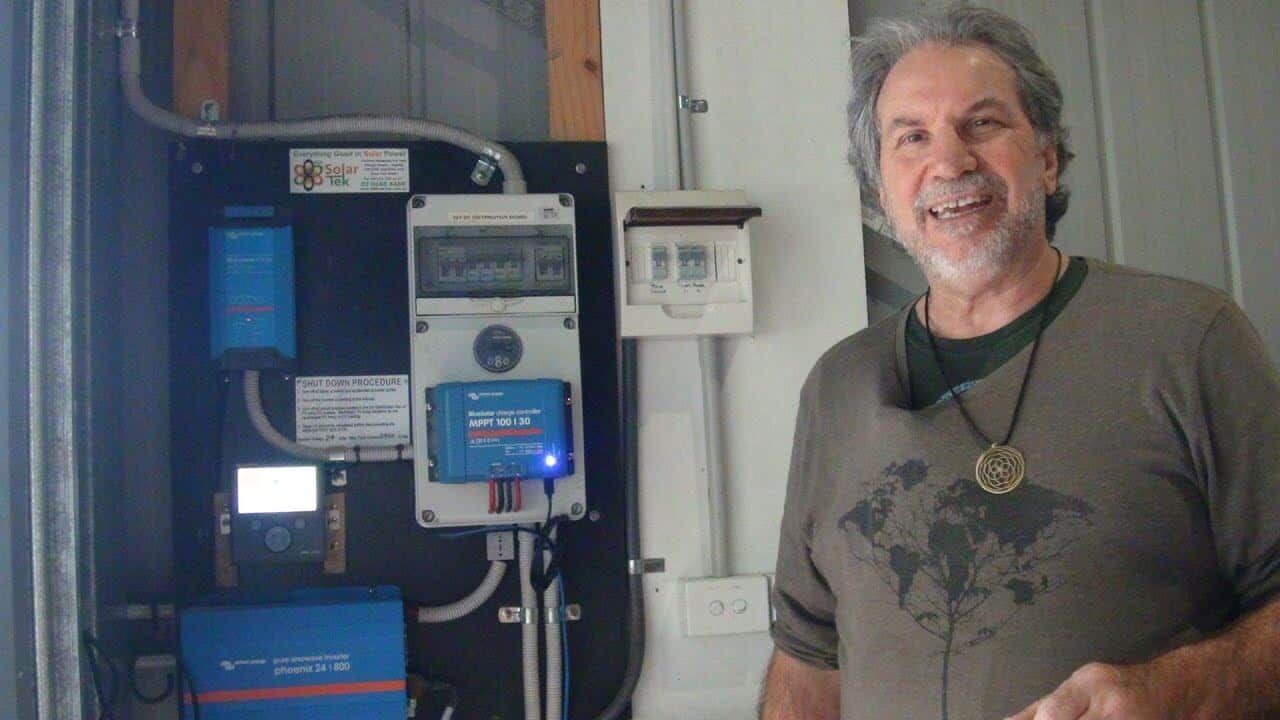
I’m Vincent Selleck, Managing Director of 888 Solar Tek.
In recent years, the stability of electricity grids around the world has come under increasing strain, manifesting in widespread and disruptive load shedding.
In this article, we will explore strategies to address the challenges of load shedding and evaluate the potential of transitioning to an off-grid energy system.

Here are the main things I will cover:

If you already have solar panels, adding a
battery could help you use more of the electricity you generate after sunset. The federal Cheaper Home Batteries Program supports eligible upgrades to existing systems, but its rebate calculation changes on 1 January 2027. Here's what homeowners considering solar in the Northern Rivers should know before booking.
Why solar panels alone aren't the full story anymore
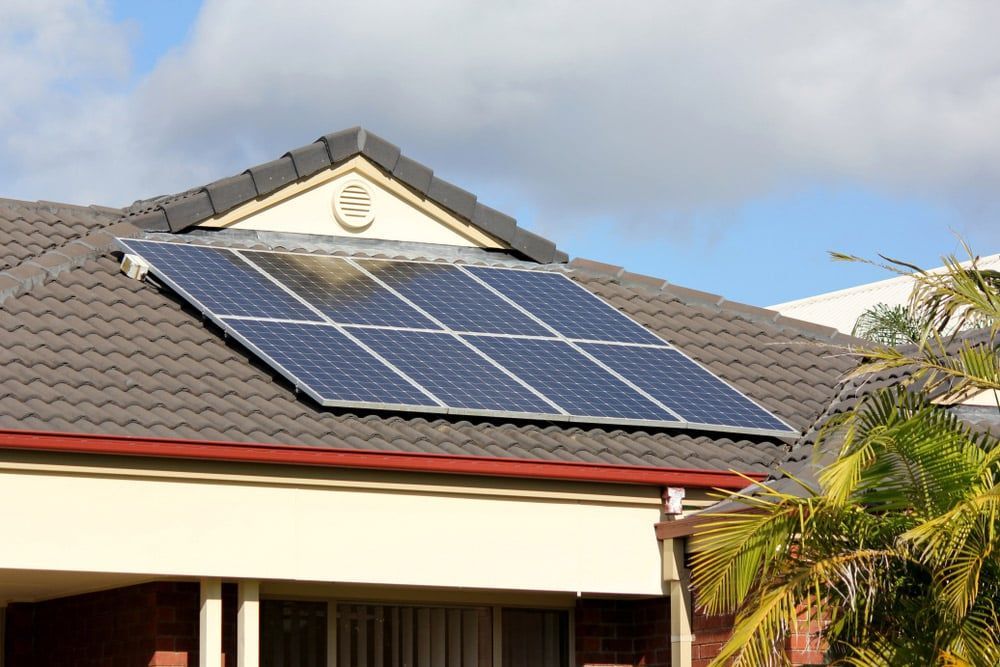
Solar panels produce electricity when sunlight is available, often while household demand is low. Without storage, unused generation generally flows into the grid in exchange for a feed-in tariff. Later, when cooking, cooling or other evening activities increase demand, you may need to buy electricity back from your retailer. A battery changes that pattern. It stores some surplus daytime generation for use later, helping reduce grid purchases when the sun goes down.
For example, a household whose occupants work away from home may export substantial solar energy during the day but use most electricity after 5 pm.
Battery storage could shift some of that daytime production into the evening. More than 30,000 Northern Rivers homes already have solar, according to figures quoted by 888 Solar Tek. For homeowners considering the next stage of
solar in the Northern Rivers, understanding actual usage is more useful than choosing the largest battery available.
How the federal battery rebate applies to existing solar systems
The Australian Government's Cheaper Home Batteries Program provides a discount on eligible battery installations connected to new or existing rooftop solar. You don't have to replace functioning panels simply to qualify. The support is delivered through small-scale technology certificates, commonly called STCs, under the Small-scale Renewable Energy Scheme. In many installations, an eligible retailer or installer applies the certificate value as a discount on the quoted purchase price after you assign the certificates to its registered agent.
Eligible batteries must meet program requirements, including approved equipment and installation by an appropriately accredited installer. Supported systems have a nominal capacity of 5 to 100 kWh, although certificates apply only to the first 50 kWh of usable capacity. The program aims to deliver a discount of around 30% for a range of eligible systems, rather than promising an identical percentage for every installation.
Understanding the STC factor and why the rebate steps down in January
The STC factor is a number used to calculate how many certificates an eligible battery can generate per kilowatt-hour of usable storage. A higher factor generally means more certificates and a larger potential upfront discount, all else being equal. For batteries installed and certified between 1 May and 31 December 2026, the factor is 6.8. From 1 January to 30 June 2027, it falls to 5.7. Another scheduled reduction to 5.2 follows on 1 July 2027.
The calculation also depends on battery size. The first 14 kWh of usable capacity receives the full applicable factor, the portion above 14 to 28 kWh receives 60% and the portion above 28 to 50 kWh receives 15%. The January change is a step-down, not the end of the program. However, signing an agreement in December won't lock in the earlier factor if your battery is not installed and certified until January. We recommend comparing an itemised quote against the official Clean Energy Regulator calculator rather than relying on broad rebate advertising.
What "already having solar" means for your eligibility
An existing rooftop solar system can support an eligible battery installation, including where the panels were installed years earlier. You generally don't need to purchase new panels, but the existing system must satisfy electrical safety and other relevant program requirements. Some existing inverters can work with suitable battery configurations, while others may need replacement or additional equipment.
Homeowners should also distinguish between adding a first battery and expanding an existing battery. Under the program, additional capacity may be eligible only when the original battery system has not previously received the federal battery discount and the other expansion conditions are met. A battery also isn't automatically a blackout backup system. Backup capability requires compatible equipment and appropriate wiring, and certain appliances may not be covered.
What a free battery assessment from 888 Solar Tek actually covers
At 888 Solar Tek, we offer a free consultation to help homeowners explore battery options for an existing system. Rather than assume every household needs the same storage capacity, we can discuss how you use electricity, what you want from a battery and whether your current solar setup is suited to an upgrade. That includes reviewing your recent electricity bills, available solar generation data, inverter model, roof system capacity and the proposed battery location. We can then discuss options that fit your budget and intended use, including whether blackout backup is a priority.
Our battery service includes custom system design and assistance with rebate paperwork. We use Clean Energy Council-approved battery products and describe our business as Clean Energy Council Accredited. Our website also outlines ongoing phone support and a 10-year whole-of-system warranty for solar systems we install. Ask us to confirm the exact warranty coverage for your proposed battery upgrade in writing. You should leave a consultation understanding what equipment is proposed, whether further inspection is needed and what the quote includes.
Getting your system installed before the deadline that matters
To access the factor applying before January, your eligible battery must be installed and certified for electrical compliance by 31 December 2026. The date you request a quote, pay a deposit or book an appointment is not the deciding date. Allow time for system assessment, equipment selection, any necessary network approvals and installation scheduling. Ask your installer for a proposed completion date, while recognising that delays can occur.
Before agreeing to proceed, confirm the quoted battery capacity, relevant exclusions, certificate discount and what happens to the price if certification moves into January. The best next step is to check whether battery storage fits your home and energy use, then make an informed decision about installation. If you're considering adding a battery to existing solar panels,
contact
888 Solar Tek to arrange a free consultation and discuss a suitable system and the available federal rebate.
Frequently Asked Questions
Can I keep my existing electricity retailer after installing a battery?
Usually, yes. A battery installation doesn't automatically require changing retailers, although your current electricity plan may not be the most suitable afterwards. Compare rates and any battery-specific offers before switching.
Will a battery charge during a cloudy day?
It can, provided your panels generate more electricity than your household is using and the system is configured to charge from solar. Charging may be slower or more limited in cloudy weather, depending on available generation.
Do I have to join a virtual power plant?
No. Participation in a virtual power plant is generally optional, although eligibility for particular extra incentives may depend on joining one. Review the provider's control settings, payments and contract conditions before enrolling.
How can I compare different battery quotes?
Check usable capacity, installed price after discounts, inverter compatibility, backup inclusions and product warranties. Also compare the proposed operating settings and ask each installer to explain any assumptions behind estimated bill savings.


Vincent Selleck – Managing Director
629 Binna Burra Rd Federal NSW 2480
PH
02 6688 4480
888solartek@gmail.com
www.888solartek.com.au
ABN 13145199257
Lic No. 334826C